A conversation with Stacey Petersen, CEO of Cedars Recovery
Addiction does not happen in isolation. And recovery should not either.
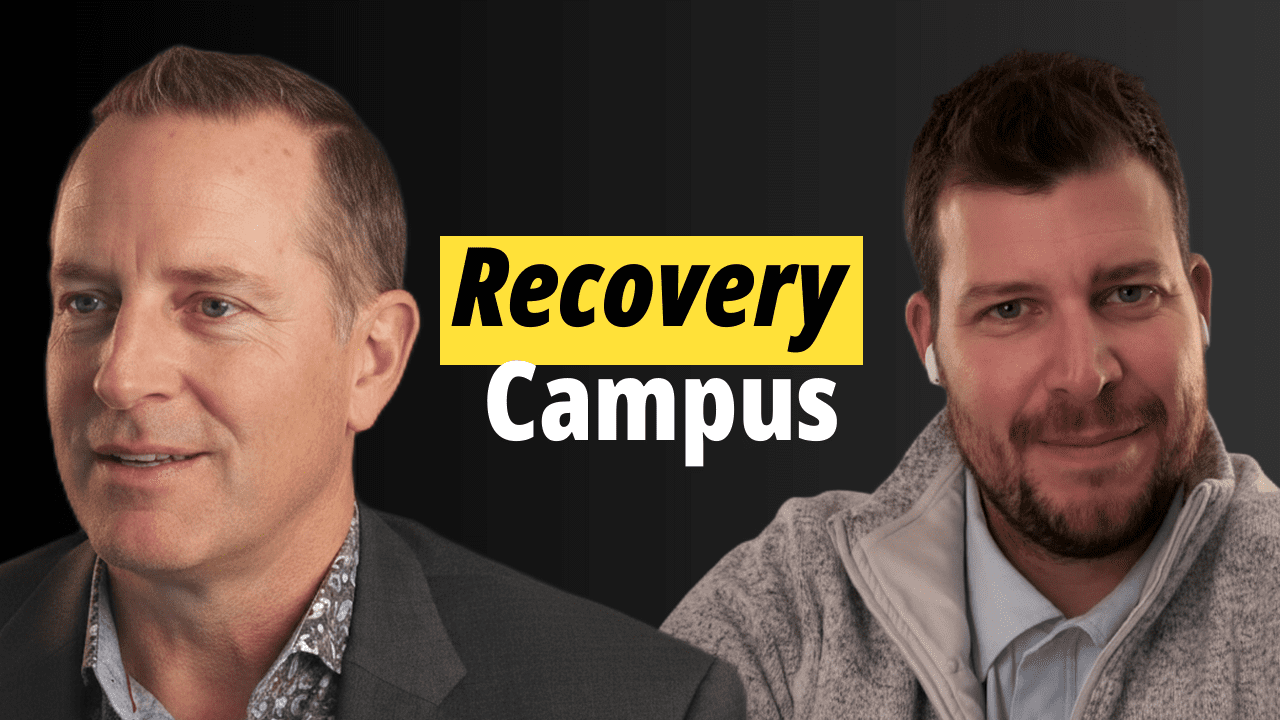
In this episode of the Familywood Podcast, I sat down with Stacey Petersen, Registered Social Worker, CEO of Cedars Recovery, and a person with nearly four decades of lived and professional experience in the addiction recovery field. What unfolded was not just a discussion about treatment models, programs, or policy gaps, but a deeply human conversation about grief, resilience, family systems, and why connection remains the most powerful protective factor we have in recovery.
From Personal Recovery to Leadership in the Field
Stacey has spent over 35 years working in addiction treatment across Canada, including nearly two decades as Executive Director of Fresh Start Recovery Centre in Calgary before being recruited to lead Cedars Recovery on Vancouver Island. He is also a person in long-term recovery himself, recently celebrating 38 years sober, and speaks openly about growing up in an alcoholic family and losing siblings to addiction-related outcomes.
That combination of lived experience and leadership shapes how Stacey views recovery. Not as a checklist or a single intervention, but as a lifelong, relational process that touches entire families and communities.
As he put it during our conversation, addiction is progressive and fatal if left untreated. But recovery is possible, and it is most sustainable when people are surrounded by love, accountability, and meaningful connection.
The Recovery Campus: Why Environment Matters
Cedars Recovery is located on a 60-acre property in Cobble Hill on Vancouver Island. Stacey describes it not as a facility, but as a recovery campus. Walking trails, land-based programming, ceremony, and a strong connection to nature are not add-ons. They are core components of healing.
Drawing from years spent working alongside Indigenous communities and elders, Stacey emphasized the importance of unity and collective healing. While he is careful not to speak as an authority on Indigenous practices, he has witnessed firsthand how community-centered approaches foster resilience, belonging, and accountability in ways that purely individual models often cannot.
The Gaps in the System: Detox and What Comes After
Despite decades of progress, significant gaps remain in the recovery system. Two of the most persistent are access to medical detox and meaningful post-treatment support.
Cedars addresses this by offering a full continuum of care. Individuals can move from medical stabilization through clinical treatment and into continuing care, including a full year of follow-up with a certified recovery coach. About half of Cedars’ beds are publicly funded, a reflection of ownership values that prioritize recovery over profit.
But even with strong programs, Stacey is clear that treatment alone is not enough. Where people go after treatment, who they return to, and whether families are supported in parallel can make the difference between sustained recovery and relapse.
Addiction Is a Family Illness
One of the clearest through-lines in our conversation was this: addiction affects everyone in the family system.
Parents, partners, siblings, and children all adapt to addiction in ways that shape their nervous systems, beliefs, and behaviors. As Stacey shared, everyone ends up in recovery, whether they are afflicted by addiction or affected by it.
This aligns closely with Familywood’s clinical focus. Much of our work begins with families who are still oriented entirely around the person struggling. Over time, healing often looks like a gradual shift toward self-reflection, boundary setting, and reclaiming personal agency.
Stacey spoke powerfully about this shift, emphasizing that family recovery is not about cutting people off or hardening hearts. It is about learning how to love without rescuing, support without enabling, and stay connected without losing oneself.
What the Research Tells Us
During the episode, we discussed a major evidence review published in the Journal of Marital and Family Therapy, which examined nearly a decade of randomized controlled trials on family- and couples-based interventions for substance use disorders.
The findings were clear. When families are meaningfully involved in treatment, outcomes improve. People stay engaged longer, relapse rates decrease, and relationships strengthen. Even modest improvements in success rates translate into lives saved, especially in the context of opioid use where relapse can be fatal.
Recovery works better when families heal, too.
The Human Case and the Business Case
Beyond the emotional toll, Stacey highlighted the broader societal impact of effective addiction treatment. For every individual who achieves sustained recovery, taxpayers save significant costs related to healthcare, justice, and lost productivity. Conservative estimates suggest that every dollar invested in treatment returns multiple dollars in cost avoidance.
But for Stacey, the human case matters most. Fewer lost sons and daughters. Fewer absent parents. Fewer families living in constant fear.
Hope, Even When It Feels Impossible
Perhaps the most important message Stacey shared is one that families often need to hear the most.
As long as someone is upright and breathing, there is still hope.
Recovery is rarely linear. Relapse can be part of the story. Trust takes time to rebuild. Families often carry the weight of consequences for years. But change is possible, and support for families is not a distraction from recovery. It is a cornerstone of it.
At Familywood, we exist to walk alongside families through this process. To help them breathe again. To build resilience, clarity, and grounded hope while their loved one finds their way forward.
You do not have to carry this alone.
Addiction affects the emotional health, behaviour patterns, and nervous systems of everyone in the family. Parents, partners, and children often adapt their lives around the addiction, which means healing must include the family system, not just the individual using substances.
Yes. Research consistently shows that when families are meaningfully involved in treatment and recovery, people are more likely to stay engaged, experience fewer relapses, and achieve more stable long-term recovery.
Absolutely. Family recovery work focuses on boundaries, emotional regulation, grief processing, and reclaiming personal agency. Families do not need their loved one to be in treatment in order to begin their own healing.
Family recovery often includes understanding addiction as a brain-based condition, learning how to stop rescuing and buffering consequences, strengthening boundaries, rebuilding trust, and helping family members reconnect with their own lives.
Addiction thrives in isolation. Recovery is strengthened through connection to supportive relationships, community, and a sense of belonging. Families who learn how to stay connected without enabling play a critical role in long-term recovery.