Introduction: When the Game Stops Feeling Like a Game
Discovering that a loved one is struggling with gambling disorder can be confusing and heartbreaking. Unlike substance addictions, there are no bottles, smells, or visible signs. The problem hides behind screens, secrecy, and growing financial or emotional strain.
At Familywood, we work with spouses, parents, and adult children of individuals experiencing addiction. Gambling disorder brings a unique set of challenges that require specialized care for both the person gambling and the family system that surrounds them.
Understanding the Hidden Nature of Gambling Disorder
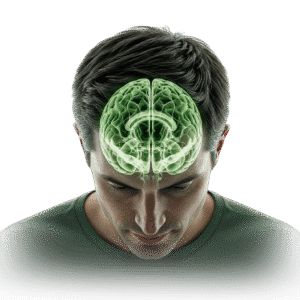
Dr. Martin Zack, from the Centre for Addiction and Mental Health (CAMH) in Toronto and the University of Toronto, explains that gambling is often called a “pure addiction.” There is no chemical substance to ingest, yet the brain responds as if there were. Dopamine levels rise during moments of uncertainty, creating a powerful and reinforcing cycle of reward.
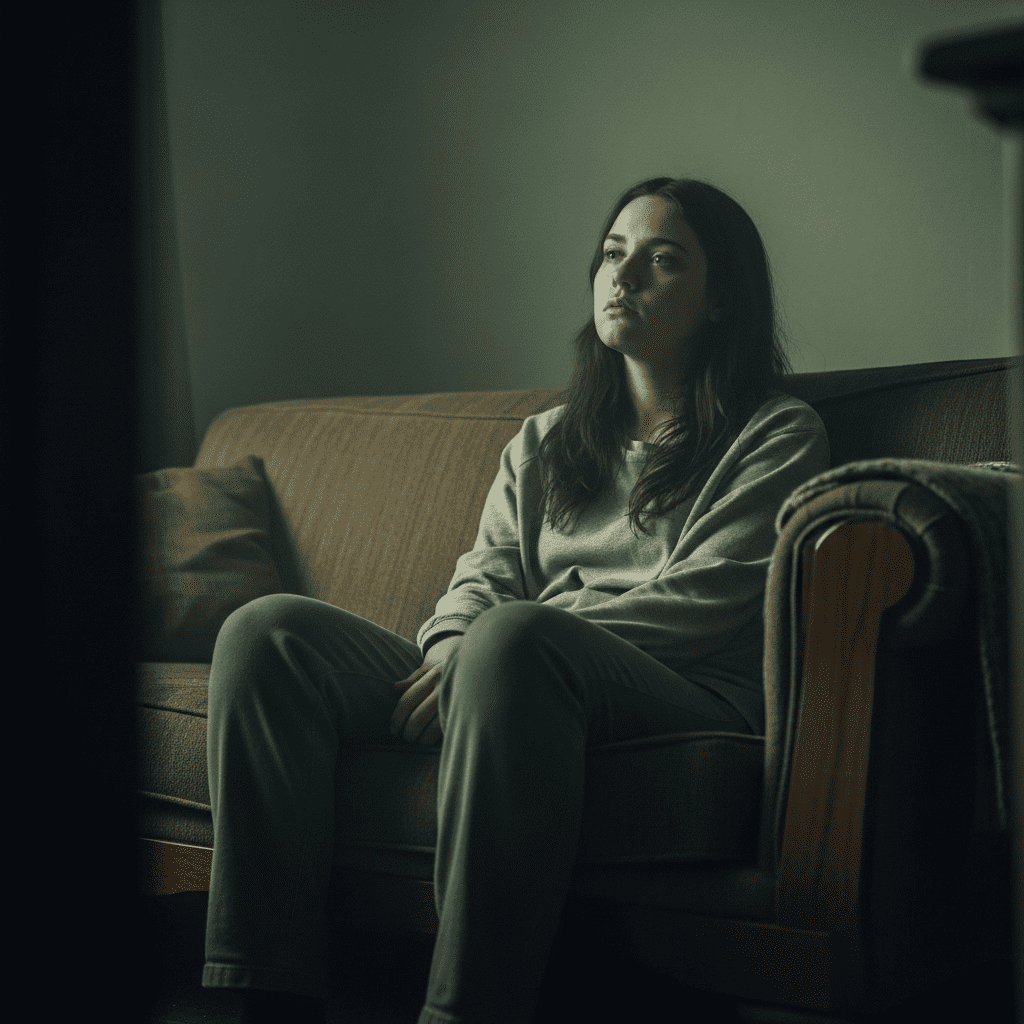
Because gambling leaves no physical traces, families often miss the early warning signs. A loved one can appear calm and functional while secretly battling debt, guilt, and shame. Many partners or parents only discover the extent of the issue when the financial or emotional damage becomes too great to hide.
“People can appear fine until they’re profoundly unwell,” says Dr. Zack. “The ability to hide gambling is part of what allows it to escalate.”
Why Families Need Specialized Support
Families affected by gambling disorder often experience deep emotional wounds. Secrecy, lying, and financial betrayal can create tension and mistrust. Dr. Zack notes that many general addiction counsellors are trained to treat substance use and may not understand the specific features of gambling.
Concepts like “losses disguised as wins” and “chasing losses” are unique to gambling and shape both the addict’s and the family’s experiences. Without this understanding, families may unknowingly respond in ways that reinforce the cycle.
At Familywood, we integrate current research and family systems therapy to help relatives make sense of the behaviour, reduce shame, and restore healthy communication.
The Brain Science Behind the Urge
Dr. Zack’s research shows that gambling disorder affects the brain in ways similar to substance use disorders. The key difference is that gambling depends on uncertainty. The brain’s dopamine system responds not only to winning but also to anticipating a win.
This explains why modern gambling technologies, including online casinos and gaming apps, are so addictive. They are designed to produce rapid cycles of suspense, sensory cues, and “near-misses” that keep dopamine firing.
Understanding this helps families move from frustration to compassion. Instead of asking, “Why can’t they stop?”, the question becomes, “What has changed in their brain that makes stopping so hard?”
Further reading:
CAMH: Understanding Gambling Disorder
Canadian Centre on Substance Use and Addiction
The Role of the Family in Recovery
Families play an essential role in recovery. Research consistently shows that when families participate in therapy, relapse rates decrease and emotional resilience improves.
Dr. Zack emphasizes empathy and connection as central to healing. “Addiction thrives in isolation. Empathy and shared conversation are antidotes,” he explains. During the COVID-19 pandemic, gambling rates increased when people became disconnected from others.
At Familywood, we help families:
Communicate without judgment.
Recognize shame and rebuild trust.
Establish clear financial and emotional boundaries.
Reconnect through activities that strengthen family bonds.
Related Familywood blogs:
Healing the Family System in Addiction Recovery with Dr. Melanie Person
When Families Carry the Weight of Addiction with Rochelle Davidson
Why Family Involvement Matters in Addiction Recovery with Dr. Zack Walsh
Treatment Options and Emerging Research
Gambling disorder sits at the crossroads of psychology, neuroscience, and behaviour. Effective recovery requires an integrated approach.
Dr. Zack’s team at CAMH is currently studying a medication called Memantine, which is used to treat early Alzheimer’s disease. The goal is to improve cognitive flexibility and reduce the rigid, repetitive thought patterns that drive compulsive gambling.
Families seeking help can explore:
Residential programs at Edgewood Nanaimo or Homewood Ravensview.
Family-focused counselling through Familywood Counselling Services.
Education and support from CAMH’s Gambling Awareness Programs.
Spotlight on CAMH
The Centre for Addiction and Mental Health (CAMH) is Canada’s leading research and treatment facility for addiction and mental health. Based in Toronto, CAMH combines clinical care, education, and research under one system of care.
The organization has been at the forefront of identifying gambling disorder as a legitimate brain-based condition. Its multidisciplinary teams include psychiatrists, psychologists, neuroscientists, and social workers who collaborate to study and treat behavioural addictions.
Families benefit from CAMH’s specialized programs because the institution understands that gambling disorder is not only about money. It is a problem of emotion, learning, and neurobiology. Early intervention and education can help prevent the disorder from becoming deeply entrenched.
Research Highlight: Dopaminergic Signaling and Gambling Disorder
In their paper “Dopaminergic Signaling of Uncertainty and the Etiology of Gambling Addiction” (Zack, St. George, & Clark, 2020), the authors explore how uncertainty itself can fuel gambling addiction. (Read the study on ScienceDirect)
The study proposes that the thrill of not knowing when a reward will occur may be more addictive than the reward itself. The brain releases dopamine in response to uncertainty, keeping the gambler locked in a cycle of excitement and anticipation.
Key findings include:
The brain interprets uncertainty as inherently stimulating.
Game designs with near-misses, variable rewards, and “losses disguised as wins” exploit this response.
These mechanisms mirror the neurological changes found in substance addiction.
Over time, both wins and losses can reinforce continued gambling.
For families, this research helps explain why loved ones cannot “just stop.” It is not simply about poor choices but about changes in brain pathways that sustain the behaviour. Specialized family therapy helps relatives create structure, safety, and understanding while supporting recovery.
Conclusion: Families Deserve Specialized Support
Gambling disorder can quietly erode trust, finances, and connection within a family. Yet recovery is possible with education, compassion, and professional guidance.
There are few visible signs. The behaviour often takes place online or in private, allowing it to progress quietly.
Yes. Family therapy can reduce enabling, strengthen boundaries, and prepare loved ones for when the individual is ready to seek help.
Yes. Studies from CAMH and other research centres confirm that gambling activates the same dopamine pathways as substance addiction.
Many are trained mainly in substance use and may overlook gambling’s psychological and neurological complexities.