Why Family Involvement Matters in Addiction Recovery: Insights from Dr. Zach Walsh
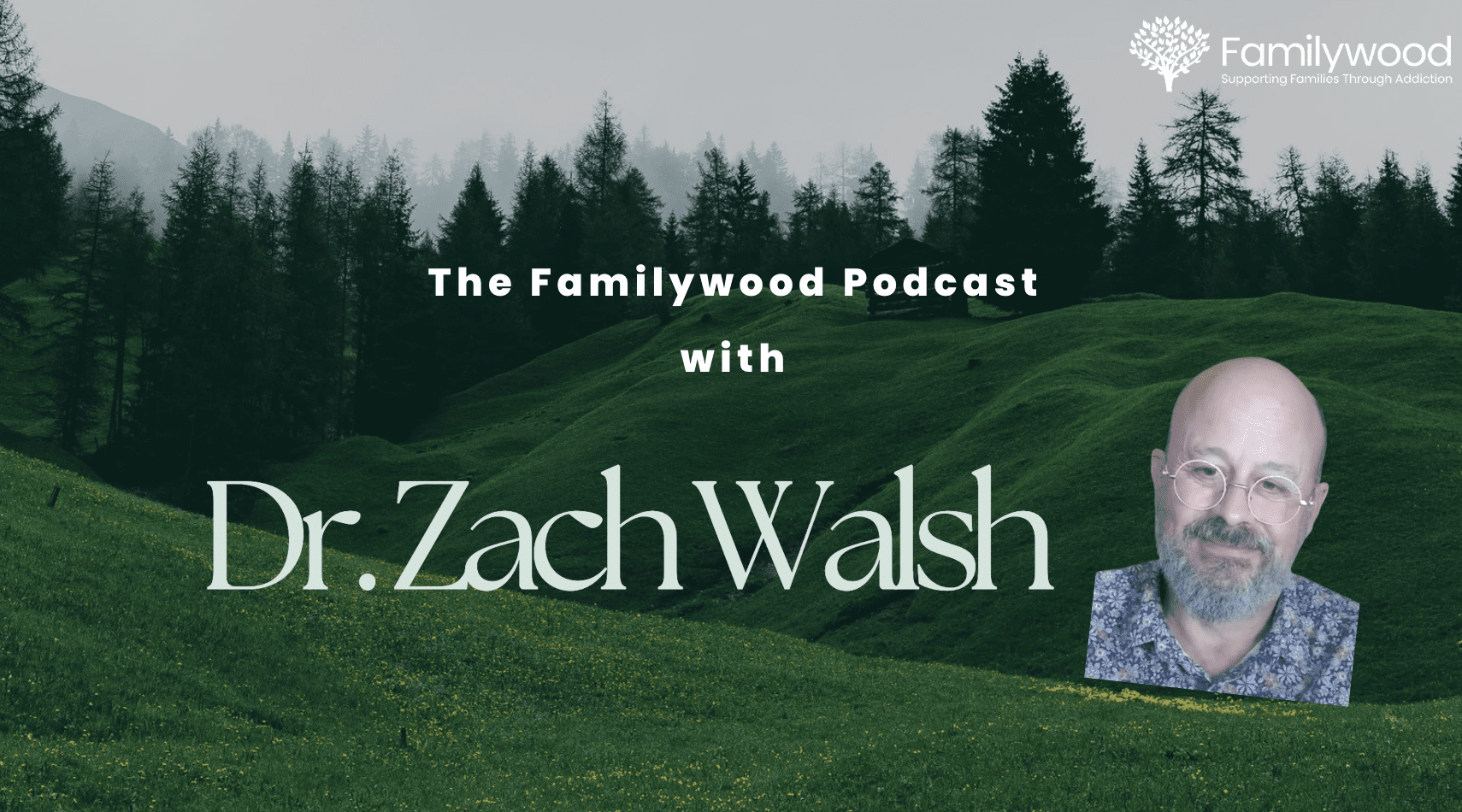
Welcome to the Familywood Podcast Blog. In our very first episode, Ross St. George sat down with Dr. Zach Walsh, a clinical psychologist, UBC professor, and leading researcher in psychopharmacology. Together, they explored a theme central to Familywood’s mission: addiction is not just an individual issue—it’s a family systems issue.
Addiction Recovery Is About Families, Not Just Individuals
Dr. Walsh shared that much of his clinical work began with couples and families. He emphasized that recovery rarely happens in isolation:
“So much of addiction has to do with connection—it has to do with relationships, and the most important relationships are our family. Family’s got to be a piece of it.”
At Familywood, we echo this truth every day. Our work with spouses, parents, and adult children shows that when families receive support, they are better equipped to set boundaries, reduce burnout, and foster resilience at home.
If you’re curious why this matters, our cornerstone article, Why Addiction Family Support Matters, explores how systemic healing boosts long-term recovery outcomes.
Research Spotlight: Families Improve Recovery Outcomes
In our literature spotlight, we discussed the 2020 meta-analysis by Ariss & Fairbairn. The review looked at 16 randomized controlled trials with over 2,100 participants. The findings were clear:
Family involvement improved recovery outcomes compared to individual-only approaches.
On average, clients with family engagement had 21 fewer days of substance use per year.
These gains persisted up to 18 months post-treatment.
This research echoes our own Familywood Method, which blends evidence-based tools like CBT and family systems therapy to strengthen not just the individual, but the entire family network.
Why Families Need Their Own Support
Dr. Walsh also noted that family members themselves carry deep emotional scars—parents haunted by guilt, partners struggling to trust, adult children navigating intergenerational trauma.
That’s why Familywood provides individualized care for each role in the family system. Our counselling for families affected by addiction gives loved ones a place to process their own pain, while programs like individual therapy and group family therapy ensure families don’t feel alone in the process.
Connecting With Broader Supports
During the episode, we spotlighted the BC Centre on Substance Use (BCCSU)—a leader in advancing harm reduction, evidence-based care, and clinical guidance in Canada.
At Familywood, we’re proud to partner with treatment centres across BC and beyond. Families looking for support often have loved ones getting addiction rehab treatment at Orchard Recovery Center on Bowen Island or Sunshine Coast Health Centre.
How This Ties Into the Familywood Method
Familywood was built on the understanding that recovery doesn’t stop at the treatment centre door. Our role is to prepare families for that transition. For spouses, this may mean learning how to rebuild trust; for parents, releasing the burden of guilt; and for adult children, breaking long-standing cycles of trauma.
These approaches are central to the Familywood Method—a structured, research-backed process that creates parallel treatment plans for the person in recovery and for the family members supporting them.