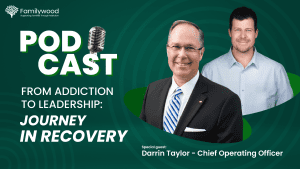
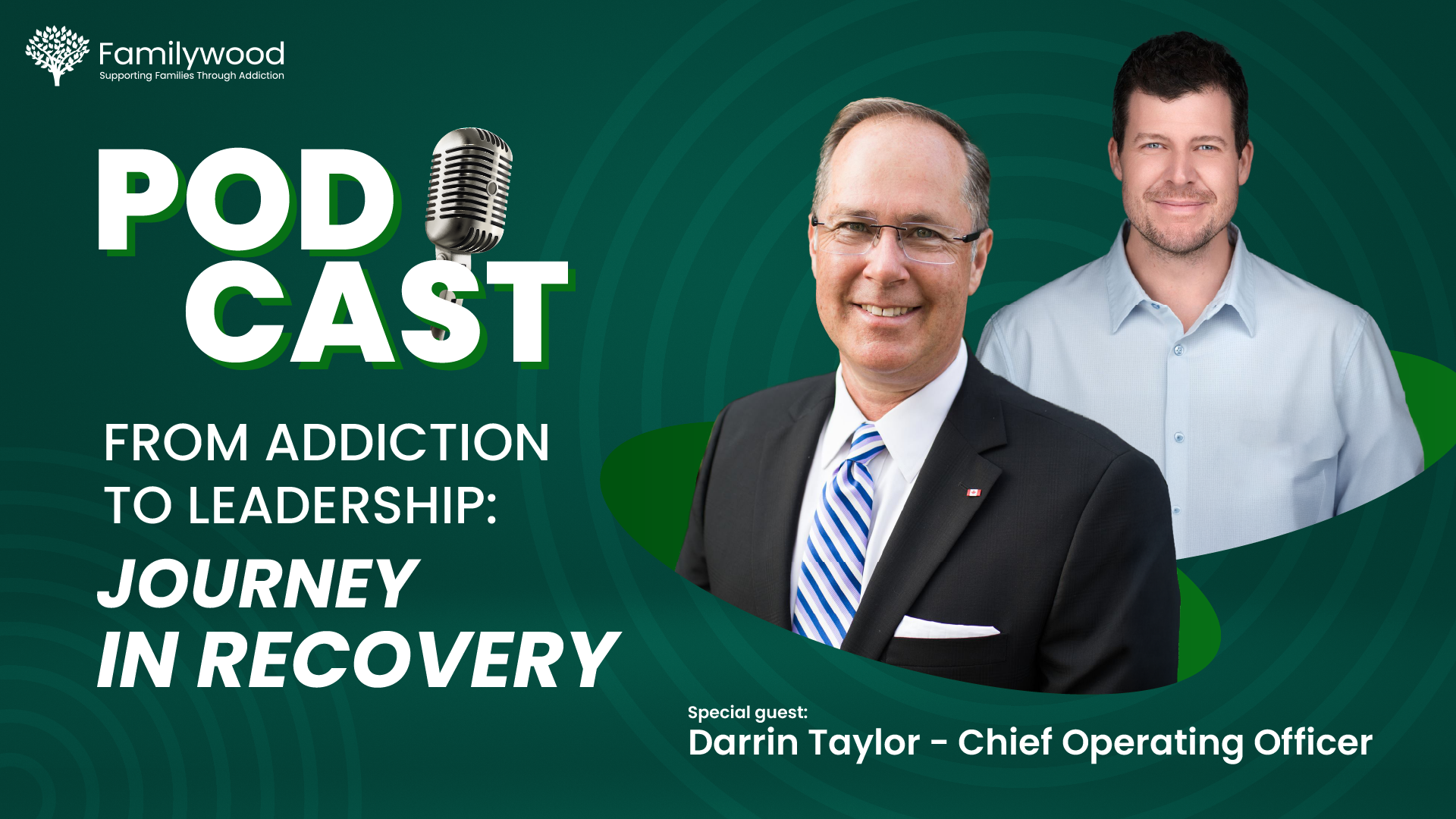
Insights From Darrin Taylor, COO of Red Road Recovery
When someone develops a substance use disorder, the effects extend far beyond the individual using alcohol or drugs. Addiction gradually changes the way an entire family functions. Parents often become consumed by worry, spouses find themselves managing one crisis after another, and siblings or adult children frequently assume responsibilities they were never meant to carry. Over time, daily life begins revolving around the addiction rather than around the family’s values, relationships, and wellbeing.
For decades, clinicians have described addiction as a family disease. This phrase does not suggest that every family member develops an addiction themselves. Rather, it recognizes that addiction changes patterns of communication, trust, emotional regulation, and behaviour throughout the family system. Everyone adapts in an effort to cope, and those adaptations often continue long after the immediate crisis has passed.
During a recent conversation with Familywood, Darrin Taylor, Chief Operating Officer of Red Road Recovery, shared why he believes family recovery remains one of the most important—and frequently overlooked—components of effective addiction treatment. Having spent more than twenty years working in intervention services, outpatient care, treatment centre leadership, and addiction recovery across Canada, Darrin has seen firsthand how profoundly family involvement can influence recovery outcomes.
How Addiction Affects Families
Most family members do not recognize how much addiction has changed them until they begin reflecting on the previous several years. What often begins as occasional concern gradually becomes constant vigilance. Many spouses find themselves monitoring alcohol use, checking bank accounts, searching for evidence of relapse, or attempting to prevent the next crisis before it occurs. Parents frequently describe feeling unable to relax, even during periods when their adult child appears to be doing well.
These responses are entirely understandable. Families are attempting to adapt to an unpredictable illness that repeatedly disrupts trust, stability, and emotional safety. Unfortunately, many of these coping strategies become exhausting over time. Anxiety increases, relationships become strained, and family members often neglect their own physical and emotional health while focusing almost exclusively on their loved one’s wellbeing.
Importantly, recognizing these patterns is not about assigning blame. Family members did not cause the addiction, nor are they responsible for curing it. Instead, understanding how addiction has affected the family creates an opportunity for healing that often benefits everyone involved.
What Does “Addiction Is a Family Disease” Mean?
The concept of addiction as a family disease is rooted in decades of clinical observation and family systems theory. When one member of a family struggles with substance use, everyone else naturally adjusts their behaviour in response. Roles begin to shift, communication changes, conflict increases, and family life gradually becomes organized around managing the addiction.
Some family members become rescuers. Others withdraw emotionally. Some become hyper-independent, while others spend enormous amounts of energy trying to keep peace within the household. These adaptations often help families survive difficult periods, but they may become less helpful as time goes on.
Darrin emphasized that one of the first steps toward recovery is helping families recognize these patterns without judgment. Once people understand how addiction has influenced the entire family system, they can begin making intentional changes that improve their own wellbeing while also creating healthier conditions for recovery.
Family Recovery Does Not Depend on Someone Else’s Sobriety
Perhaps one of the most difficult concepts for families to accept is that their own recovery does not need to wait until their loved one chooses sobriety. Many people understandably believe they cannot experience peace until the drinking or drug use finally stops. After months or years of crisis, that belief feels entirely logical.
However, one of the consistent themes throughout Darrin’s career has been watching families regain stability by focusing on their own growth rather than attempting to control another person’s behaviour. They begin establishing healthier boundaries, communicating more effectively, and making decisions based on their own values instead of reacting to every new crisis.
This shift does not mean families stop caring. Quite the opposite. It means they learn to support their loved one without sacrificing their own mental health in the process. Although no clinician can guarantee recovery, healthier family functioning frequently creates an environment that is more supportive of lasting change.
How Family Therapy Supports Addiction Recovery
Family counselling plays a unique role within addiction treatment because it addresses the relationships surrounding the addiction rather than focusing exclusively on substance use itself. Effective family therapy helps people understand addiction, improve communication, establish healthier boundaries, reduce conflict, and develop practical strategies for responding to future challenges.
For spouses, counselling often provides an opportunity to rebuild confidence after years of unpredictability and emotional exhaustion. Parents frequently learn how to remain supportive without unintentionally enabling behaviours that prolong addiction. Adult children and siblings gain a safe place to process complicated emotions that may have accumulated over many years.
Equally important, family counselling reminds people that their wellbeing matters independently of whether their loved one is currently sober. This perspective allows families to begin healing regardless of where the individual struggling with addiction happens to be in their recovery journey.
Modern Intervention Is About More Than One Conversation
Public perceptions of intervention have been shaped largely by television, where dramatic confrontations often appear to produce immediate results. In practice, experienced interventionists frequently take a much more thoughtful and collaborative approach.
Darrin explained that effective intervention increasingly focuses on preparing the family before approaching the individual with the addiction. Families learn about addiction, examine interaction patterns, clarify boundaries, and begin changing their own behaviours before treatment is discussed. Rather than relying primarily on ultimatums, modern intervention aims to help the entire family system move toward healthier functioning.
By the time treatment is presented as an option, the family has often already begun creating meaningful and sustainable change. This preparation not only improves the intervention process but also provides families with skills that continue supporting recovery long after treatment begins.
Why Families Continue to Matter During Treatment
Admission to a treatment centre represents an important milestone, but it is not the end of the recovery process. Individuals entering residential treatment commonly experience moments of discomfort, uncertainty, frustration, or a desire to leave early. Families who understand these normal experiences are often better equipped to respond in ways that reinforce treatment rather than unintentionally undermining it.
Darrin described the importance of maintaining communication between families and clinical teams throughout treatment. When families understand what their loved one is experiencing and know how to respond to difficult conversations, they become valuable partners in the recovery process. Preparing families for these moments before they occur often strengthens treatment engagement and helps create greater consistency between the treatment environment and home life.
Research Continues to Support Family Involvement
Research consistently demonstrates that involving families in addiction treatment can improve engagement, strengthen communication, and support better long-term outcomes. Family members themselves also benefit through reduced psychological distress, improved coping skills, and greater confidence in responding to future challenges.
While every family’s situation is unique, the broader body of evidence supports what experienced clinicians like Darrin have observed throughout their careers: helping families recover is not separate from helping individuals recover. The two processes frequently reinforce one another.
The Future of Addiction Treatment Must Include Families
One of the strongest messages from our conversation was that family care deserves greater attention throughout the addiction treatment system. Many treatment centres continue providing excellent care to individuals, yet comprehensive support for parents, spouses, siblings, and adult children remains inconsistent across the field.
This represents both a challenge and an opportunity. Families are often highly motivated to learn, heal, and contribute positively to their loved one’s recovery, yet many simply do not know where to begin. Providing evidence-informed education, counselling, and practical guidance allows families to regain confidence while creating healthier environments that support long-term recovery.
Supporting Families Is Supporting Recovery
At Familywood, we believe recovery extends beyond the individual. Parents, spouses, siblings, and adult children all experience the effects of addiction, and each deserves access to specialized, evidence-informed support. Our work focuses on helping families improve communication, establish healthy boundaries, reduce emotional exhaustion, and create the strongest possible foundation for lasting recovery while protecting their own wellbeing.
As Darrin Taylor’s career illustrates, family recovery is not an optional addition to addiction treatment. It is one of the foundations upon which sustainable recovery is built. When families begin healing alongside their loved one, relationships become healthier, communication improves, and hope gradually replaces the uncertainty that addiction so often creates.
About Darrin Taylor
Darrin Taylor is the Chief Operating Officer of Red Road Recovery and has worked in Canada’s addiction treatment field for more than twenty years. His experience includes intervention services, outpatient programming, treatment centre operations, organizational leadership, and the development of addiction treatment services across Canada. Throughout his career, he has remained a strong advocate for evidence-informed family involvement as an essential component of successful addiction recovery.