When addiction enters a family system, the ripple effects touch everyone. Trust shifts, relationships strain, and loved ones often find themselves living in a state of constant hyper-vigilance. But just as addiction affects the whole family, recovery can too, and in deeply meaningful ways.
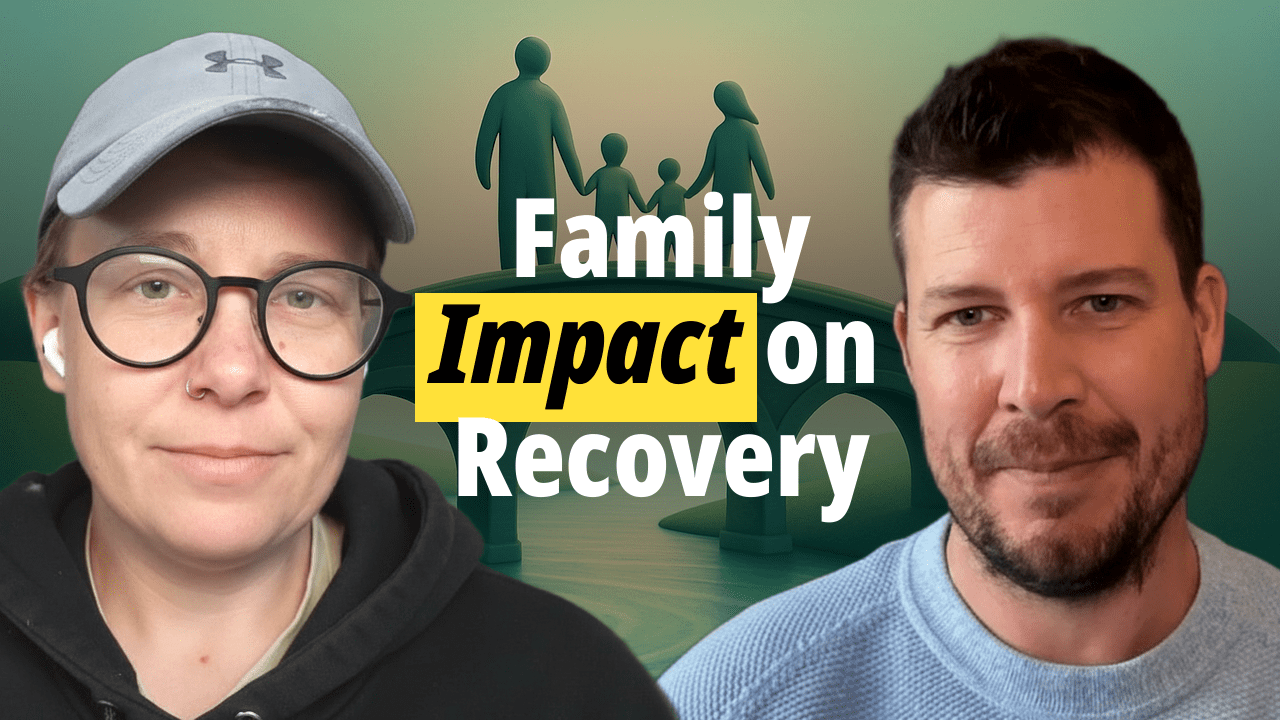
In this week’s Familywood Podcast episode, Ross sits down with Dr. Carissa Muth, Clinical Director at Sunshine Coast Health Center and the Georgia Strait Women’s Clinic. Together, they explore an area of recovery that deserves far more attention in Canada: how meaningful family relationships and secure attachment support long-term sobriety.
Why Family Connection Matters More Than We Talk About
For years, North American treatment systems have followed a pattern. Someone attends inpatient rehab, they complete the program, and then they are transferred to a weekly aftercare plan. The expectation is that the momentum of treatment will carry them through.
Dr. Muth highlights a truth that many families already sense. Recovery is not a single event. It is a long-term relational process that unfolds in daily life.
“The real important part is how are you going to do life with somebody in the ongoing process of recovery” Dr. Carissa Muth
Research supports this. Healthy connection plays a significant role in recovery outcomes. Specifically:
In treatment, connection builds emotional safety
In early recovery, connection builds stability
Long-term, connection builds a meaningful life that supports sobriety
Yet most families are left trying to help without guidance, often overwhelmed by fear, confusion, and a sense of helplessness.
What Families Are Struggling With
Supporting a loved one with addiction is painful and confusing. Families frequently describe living in a grey zone where no answer feels right. Dr. Muth sees this every day.
“Do I let my adult child move back in What if they relapse What if it is not safe What if I do nothing and something terrible happens”
Family members carry enormous emotional weight, including:
guilt for setting boundaries
fear of enabling
frustration about the uncertainty
grief about what their loved one is going through
exhaustion from years of crisis management
Despite this, one thing remains true:
“The intent is love.”
At Familywood, we work hard to protect that love and redirect it toward growth and stability.
The Missing Ingredient in Western Treatment: Attachment
Dr. Muth’s research looks at attachment and its role in addiction recovery. Secure relationships help regulate emotion, support resilience, and provide stability during stressful periods. These qualities matter in recovery more than most people realize.
She discovered a striking cultural gap. North American studies rarely emphasize family involvement. In contrast, collectivist cultures recognize family and community as essential parts of recovery planning.
Some programs even delay discharge until a safe and supportive landing place is confirmed.
“If the family system gets healthier, it can help the individual get healthier.”
Families are not only affected by addiction. They can be part of the healing process.
Community as a Recovery Intervention
Support groups such as 12 Step, SMART, and Dharma offer structure. However, their effectiveness depends heavily on whether participants develop authentic relationships within them.
As Dr. Muth explains:
“What makes the difference is doing life with somebody.”
Connection is not a bonus or an optional add on. It is an intervention.
Many individuals return home from treatment with limited social support. Their family often becomes their entire emotional network. This can feel overwhelming for everyone involved, which is why families need support as well. The goal is not to fix the loved one. The goal is to stay steady, grounded, and boundaried during a very challenging period.
A System Shift Is Beginning
Programs such as Sunshine Coast Health Center and the Georgia Strait Women’s Clinic are integrating new models of care, including:
rapid access coaching during moments of craving
24 hour support lines for alumni
more relationally oriented aftercare models
trauma informed family engagement
These approaches help ensure that individuals are not left alone during moments of emotional overwhelm or craving. Meaning and connection become protective forces, not afterthoughts.
If Your Family Has Been Affected by Addiction
You do not have to navigate this alone. You do not have to guess what is helpful or harmful. You do not have to sacrifice your own well-being to support someone else.
At Familywood, we help families:
understand addiction dynamics
set boundaries with compassion
reduce reactivity and burnout
rebuild trust and communication
develop tools for healthy attachment and resilience
When families heal, recovery strengthens.
Family involvement strengthens recovery by increasing emotional safety, encouraging healthier communication, and reducing the isolation that often fuels relapse. When family members learn supportive skills and set healthy boundaries, it helps create a stable environment that supports long-term sobriety.
Attachment describes how humans form emotional bonds and regulate feelings within relationships. Research shows that secure attachment can improve resilience, coping, and motivation. When individuals in recovery feel connected and supported, their likelihood of maintaining sobriety increases.
Families often feel overwhelmed, powerless, or unsure what to do. At Familywood, we offer counselling focused on boundaries, communication, understanding addiction, and reducing burnout so families can heal alongside their loved one.
Recovery continues long after treatment ends. Family members can help by focusing on connection, encouragement, and their own self-care. Building a consistent support system, accessing professional guidance, and modeling emotional regulation can make a meaningful difference during transition periods.