
Introduction
When a loved one finally enters addiction treatment, it can feel like the world suddenly goes quiet. After months or even years of crisis, chaos, and caregiving, you might not know what to do with the stillness. Families affected by addiction often remain in a heightened state of vigilance long after their loved one is safe in care.
At Familywood, we specialize in counselling services for families of people in treatment. Whether your loved one is at the Sunshine Coast Health Centre, Edgewood Nanaimo, or another inpatient program, your healing journey deserves attention, too.
Here are five practical steps you can take while your loved one receives treatment.
Take a Break
Your loved one is in care. They are surrounded by professionals who are trained to help.
You can finally let your guard down.
Families often stay in survival mode, continuing to monitor and manage when the crisis has already passed. Learning to stop caregiving is one of the hardest, yet most important, early steps in family recovery.
This is your reminder: for now, they are safe, and they do not need you to take care of them.
Pick Up an Old Hobby
When addiction takes over a household, joy often disappears with it. Many family members report having lost touch with their passions such as art, running, reading, gardening, or music while caring for their loved one.
Now is the time to reconnect with something that belongs only to you.
It is not indulgent. It is healing. Re-engaging with old hobbies helps regulate your nervous system, reduce anxiety, and rebuild a sense of identity beyond the caregiving role.
Reconnect With Your People
Addiction isolates everyone. The person struggling and the family members who love them both become disconnected from community.
Recovery requires connection. As your loved one begins to rebuild their support network inside treatment, you can do the same on the outside. Reaching out to friends, family, or community members helps restore the social bonds that sustain long-term resilience.
As Dr. Melanie Person shared on the Familywood Podcast, healing happens in relationships, not in isolation.
Get Your Own Support
Your loved one has a treatment team. You deserve one too.
Look for a counsellor who specializes in families affected by addiction, like those at Familywood.
Find a massage or bodywork practitioner who can help regulate your nervous system.
Join a support group for families such as Al-Anon or Smart Recovery Family Programs.
Family support reduces distress, prevents burnout, and improves treatment outcomes for everyone involved.
At Familywood, we help families build boundaries, regulate emotions, and find clarity during this critical phase of recovery.
Get Honest
Families often underestimate the toll that addiction has taken on them.
You have endured, adapted, and held everything together. That resilience matters, but it also comes with emotional cost.
Acknowledging the grief, anger, and exhaustion you feel is not disloyal to your loved one. It is an essential step toward your own healing.
As Rochelle Davidson reminds us, naming what has been lost allows families to finally begin rebuilding.
Getting honest also means setting boundaries, rediscovering your values, and holding space for your own needs.
The Bigger Picture: Healing as a Family System
Addiction treatment is not only about the individual in care. It is about the entire system that surrounds them. Research continues to show that when families receive support, recovery outcomes improve significantly.
At Familywood, we believe in treating the whole family system. Whether you are a spouse, a parent, or an adult child, your healing helps create the stability your loved one will need when they return home.
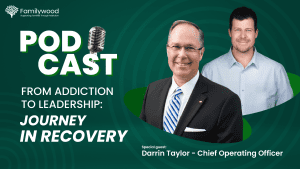
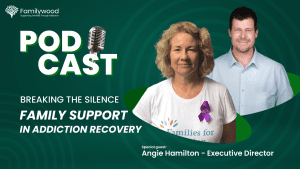
You can explore our related episodes and resources:
Conclusion
Your loved one’s recovery is underway. Now it is your turn.
Take a breath. Rest. Reconnect. Reflect.
You have been holding everything together for a long time. Healing your family begins with caring for yourself.
Addiction often creates chronic emotional stress for spouses, including anxiety, resentment, shame, and confusion about how to help. Research shows that partners of individuals with substance use disorders experience higher rates of depression and relational trauma. Family-systems-based counselling helps spouses process these emotions safely and build healthier coping patterns.
Supporting means encouraging recovery while maintaining boundaries. Enabling means protecting your partner from the natural consequences of their actions. A trauma-informed therapist can help spouses recognize the difference, reduce guilt, and practice accountability-based compassion instead of rescue-based behaviors.
Yes. Evidence shows that involving spouses in therapy improves treatment outcomes and long-term relationship stability. Couples or family-systems therapy creates structure for communication, boundary-setting, and rebuilding trust — especially when integrated with the individual’s recovery program.
Spouses heal by focusing on their own emotional recovery, not solely their partner’s sobriety. This often involves individual counselling, support groups, and education about family addiction dynamics. Trauma-informed family therapy helps partners reclaim identity, confidence, and safety during early recovery stages.