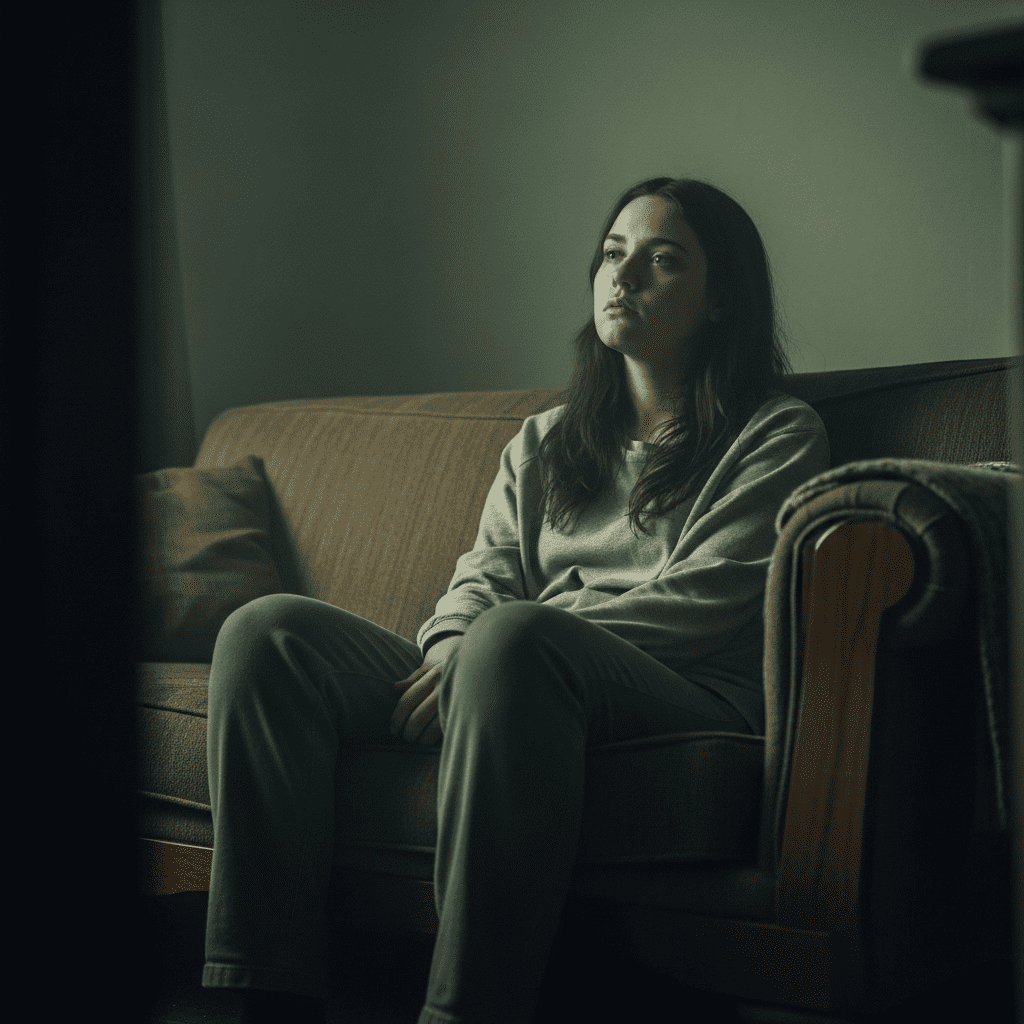

When someone you love struggles with alcohol use, it can begin to shape your entire world. Many families describe feeling consumed by worry, trying to prevent the next crisis, or constantly adjusting their own behaviour to manage someone else’s drinking.
In that space, support for families is not a luxury. It is essential.
One support many families encounter is Al-Anon.
This article offers a clear, clinical overview of Al-Anon for families affected by addiction, including what it is, what it is not, and how it may fit into a broader support plan.
What Is Al-Anon?
Al-Anon Family Groups is a peer-led mutual aid fellowship designed for family members and friends of people struggling with alcohol use.
It is separate from Alcoholics Anonymous, though the two organizations share historical roots and similar principles.
Al-Anon meetings focus on:
- Supporting family members emotionally
- Encouraging detachment from attempts to control someone else’s drinking
- Offering shared experience rather than professional therapy
- Providing a structured framework through the Twelve Steps
For many families, the most powerful aspect of Al-Anon is hearing, often for the first time, “You are not alone.”
When Additional Support May Be Needed
Peer support can be deeply meaningful. Hearing others speak openly about similar experiences often reduces isolation and shame. For many families, Al-Anon provides structure and community during uncertain times.
At the same time, peer support is not a replacement for clinical counselling.
Some families require trauma-informed therapy, particularly when there has been:
- Emotional or physical safety concerns
- Long-term caregiver burnout
- Complex or ambiguous grief
- Symptoms of anxiety, depression, or trauma
- Repeated relapse cycles that have significantly disrupted family stability
Al-Anon offers shared experience and perspective. It does not provide individualized assessment, trauma processing, safety planning, or structured therapeutic interventions. When stress has become chronic or safety is at risk, professional support is often necessary.
Research shows that family members affected by addiction benefit from structured, family-focused counselling that addresses coping skills, communication, and emotional regulation (Templeton et al., 2018; Kourgiantakis et al., 2019). Clinical interventions can reduce psychological distress and improve family functioning, even when the person struggling with addiction continues to use.
Participating in both Al-Anon and specialized clinical counselling is not contradictory. It is complementary.
Al-Anon may help normalize your experience and reduce isolation.
Clinical counselling can help you:
- Process trauma responses
- Develop clear and sustainable boundaries
- Create safety plans when needed
- Address chronic stress and caregiver fatigue
- Rebuild a sense of identity outside of the addiction
Families do not need to choose between peer support and professional care. In many cases, the combination offers the strongest foundation.
You deserve community.
You also deserve individualized, trauma-informed support.
Seeking counselling does not mean Al-Anon is insufficient. It means your wellbeing matters enough to receive comprehensive care.
At Familywood, counselling focuses specifically on:
- Parents affected by addiction
- Spouses and partners
- Adult children navigating long-term impact
Relevant Familywood resources include:
- Why Addiction Family Support Matters
- Familywood Counselling Services
- Parents Affected by Addiction
- Spouses Affected by Addiction
- Adult Children Affected by Addiction
Support is not about distancing from your loved one.
It is about protecting your wellbeing while remaining grounded and clear.
Why Family Support Matters
Addiction affects the entire family system. Research consistently shows that family members of individuals with alcohol use disorder experience elevated stress, anxiety, depression, and health concerns (Kourgiantakis et al., 2019).
Over time, many families develop patterns of hypervigilance, over-responsibility, or emotional withdrawal. These responses are understandable. They are also exhausting.
Studies of family-focused interventions show that when families receive support, their own mental health improves and relational functioning becomes more stable, even if the person struggling with addiction continues to use (Templeton et al., 2018).
Support for families is not dependent on sobriety.
It is about reducing harm and restoring balance.
What Al-Anon Can Offer
Al-Anon is not a treatment. It does not provide clinical assessment, trauma therapy, or individualized counselling. What it offers is community and structure.
Many families report benefits such as:
- Reduced isolation
- Increased emotional validation
- A clearer understanding of what is and is not within their control
- Greater confidence in setting boundaries
Research on mutual aid groups suggests that participation can improve coping skills and reduce psychological distress among family members affected by substance use (Rodrigues et al., 2021).
For some, Al-Anon becomes a steady source of connection. For others, it serves as one part of a broader support system.
What Al-Anon Is Not
It is important to approach Al-Anon with realistic expectations.
Al-Anon does not:
- Guarantee changes in the person drinking
- Provide crisis intervention
- Replace professional mental health care
- Address complex trauma directly
Some families benefit deeply from its structure. Others may find they need additional or alternative support.
This is not a failure. It is about fit.
When Al-Anon May Be Helpful
Al-Anon may be particularly supportive if you:
- Feel isolated in your experience
- Struggle with over-responsibility for someone else’s behaviour
- Need a consistent space to speak openly
- Want peer support without clinical structure
It can be a starting point, especially for families unsure where to turn.
For Canadian meeting information, families can visit Al-Anon Family Groups Canada.
Canadian Resources for Families
For evidence-based education and national guidance in Canada:
The Canadian Centre on Substance Use and Addiction provides research-informed information for families and caregivers.
Health Canada offers public health guidance on alcohol use, treatment, and harm reduction.
These resources focus on safety and education rather than blame.
A Final Reflection
Families affected by addiction often believe they should be able to handle this alone. Many delay seeking help because they think things are not severe enough yet.
If you are tired, overwhelmed, or unsure what is yours to carry, that is reason enough to seek support.
Al-Anon may be one step.
Counselling may be another.
Both are valid.
You do not have to wait for someone else to change in order to care for yourself.
References
Kourgiantakis, T., Saint-Jacques, M. C., & Tremblay, J. (2019). Problematic substance use and family wellbeing: A review of family-focused interventions. Journal of Family Social Work, 22(1), 1–19.
Templeton, L., Velleman, R., & Russell, C. (2018). Psychological interventions with families of alcohol and drug misusers: A systematic review. Addiction Research & Theory, 26(5), 1–10.
Rodrigues, H., Kourgiantakis, T., & Saint-Jacques, M. C. (2021). Mutual aid groups for families affected by substance use: Outcomes and implications. Journal of Substance Use, 26(4), 1–8.
Al-Anon is a peer-led mutual aid group for family members and friends of people struggling with alcohol use. It provides emotional support, shared experiences, and guidance through the Twelve Steps. Al-Anon helps families reduce isolation, clarify boundaries, and focus on their own wellbeing rather than trying to control someone else’s drinking.
No. Al-Anon is separate from Alcoholics Anonymous (AA). While both organizations share historical roots and similar principles, AA supports individuals seeking sobriety, whereas Al-Anon is specifically for family members and loved ones affected by someone else’s alcohol use.
Yes. Al-Anon is designed to support family members regardless of whether the person drinking is sober or seeking treatment. Its focus is on helping families cope, set healthy boundaries, and improve emotional wellbeing, even if alcohol use continues.
No. Al-Anon is not a clinical treatment or therapy program. It does not provide mental health assessment, trauma therapy, or crisis intervention. Many families benefit from combining Al-Anon with trauma-informed counselling, especially when there is significant stress, burnout, or safety concerns.
Families may need additional support if there are emotional or physical safety concerns, long-term caregiver burnout, complex grief, or co-occurring mental health challenges. Trauma-informed family counselling can help address deeper patterns and restore stability alongside peer support like Al-Anon.